


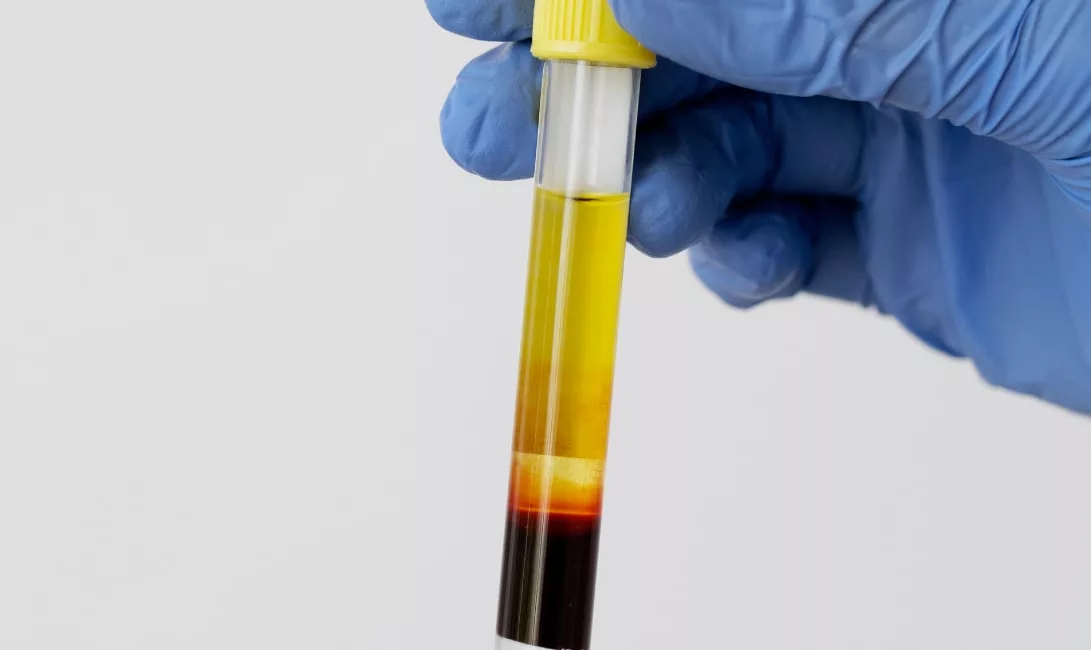
What is Plasma in Blood?
Blood plasma is the liquid portion of blood, accounting for 55% of its volume, and has a yellowish-tan hue.
What is Plasma Made of?
Plasma is made of water, proteins, hormones, and nutrients.
What is Plasma Used for?
Plasma plays a crucial role in overall health by transporting antibodies, clotting factors, and essential proteins throughout the body.
Plasma is often referred to as “the gift of life,” because it is used to treat medical emergencies. The proteins in your plasma can also be extracted to create medications for rare chronic conditions such as autoimmune disorders and hemophilia. In most cases, plasma proteins cannot be manufactured synthetically, so proteins from your donated plasma are the only source for medical therapies for millions of people each year.
Roles of Plasma in the Body
- Transportation of Nutrients and Hormones: Plasma serves as a conduit, delivering essential nutrients and hormones to various tissues and organs.
- Waste Removal: It facilitates the elimination of metabolic waste products by transporting them to excretory organs.
- Regulation of Blood Pressure and Volume: Plasma helps maintain optimal blood pressure and volume, ensuring efficient circulation.
- Immune Support: Rich in antibodies and clotting factors, plasma bolsters the body’s defense mechanisms against infections and aids in blood coagulation.
Why Plasma Is Essential in Medicine
Donated plasma is essential in treating various health conditions and is used in therapies, treatments, and emergencies.
Plasma Use in Therapies
- Autoimmune Disorders: Plasma-derived therapies modulate immune responses, offering relief to patients with autoimmune diseases.
- Hemophilia: Clotting factors extracted from plasma are crucial for managing bleeding episodes in hemophilia patients.
- Cancer: Plasma-derived therapies may be used as supportive care to help patients undergoing cancer treatment.
Plasma Use in Treatments
- Leukemia, and Lymphatic Primary Immune Deficiency Disorders: Plasma-based treatments support immune function and improve quality of life for affected individuals.
How Plasma Is Collected
Plasma donation is a safe process with significant health benefits.
Understanding Plasma Donation
- Process: Through a procedure called plasmapheresis, plasma is separated from blood cells, which are then returned to the donor.
- Donor Eligibility: Donors typically need to be in good health, meet age and weight requirements, and pass health screenings.
- Safety and Benefits: Generally considered safe, there are minimal side effects from donating plasma. Regular donations can contribute to life-saving treatments for others.
Understanding the pivotal role of plasma underscores the importance of donations. By donating plasma, you contribute to life-saving treatments and support medical advancements that improve patient outcomes.
What Proteins are in Plasma?
The most abundant substances in plasma, includes albumin, globulins, and fibrinogen.
Hormones in Plasma
Essential chemical messengers are transported in the blood to organs and tissues to carry out their functions.
From Plasma Donor to Patient
It takes as long as 12 months for your plasma to reach those in need. All donated plasma follows very specific and highly regulated phases from donation to the manufacturing of specific plasma-derived medicines and therapies.
Stage 1: Plasma Donation
Everyday tens of thousands of people donate plasma at over 1,500 plasma centers in the U.S. The plasma is tracked, temporarily stored in subzero frozen containers, and transported to central labs for testing.
Stage 2: Plasma Testing
All plasma is tested in a central lab to ensure it is viral free. It is then transported in subzero frozen containers to biomedical facilities for processing.
Stage 3: Fractionation
Biomedical processes separate plasma into its various components to gain the desired proteins for Octapharma medical treatments being produced.
Stage 4: Purification
Removal and inactivation of contaminants and pathogens during the fractionation period.
Stage 5: Manufacturing
Filling medical products under aseptic conditions, inspection, packaging, quality control testing, and shipping.
FAQs About Blood Plasma
Can plasma regenerate after donation?
Yes, the body replenishes plasma within 48 hours after donation.
How does plasma therapy work?
Plasma therapies involve administering plasma-derived products to treat various medical conditions.
Why is plasma called the “gift of life”?
Plasma contains essential proteins and antibodies vital for treating numerous health conditions, making it indispensable in medical care.
Find more answers on our plasma donation FAQs page.